Who Are SALT?
Solidarity Across Land Trades (SALT) is a grassroots trade union made up of workers across all land related trades. SALT is organising to fight for fairer working conditions, solidarity, care and justice in our industries. In 2023, SALT formed a national branch of the Bakers Food and Allied Workers Union, enabling members to access expert support with case work, legal issues, training, advice and advocacy. Being a part of the trade union movement enables us to take a practical approach to connecting landworkers with wider social movements to create systemic change.
SALT members are employees, trainees, apprentices, freelancers, co-op members and volunteers working on farms, market gardens, community gardens, woodlands and warehouses. Our job titles include urban farmers, assistant growers, seasonal labourers, horticulturalists, market gardeners, foresters, coppicers, flower growers, gardeners, mushroom growers, farm labourers and the list goes on.
Our aims are:
- To be a place where union members can report issues arising at their workplaces and request mediation, advice, and support.
- To build connections between workers across all sectors of agriculture and land work, from alternative and organic farms and/or enterprises to ‘conventional’ (chemical based) farming.
- To increase transparency and accountability around conditions, contracts, working cultures and pay for workers, trainees, freelancers and volunteers.
- To fight collectively for better standards of work and pay within the agroecology sector and beyond – improving the sustainability of our livelihoods.
- To build power and solidarity intersectionally across land trades, working alongside existing union movements.
Why Does SALT Organise Around Workers’ Rights?
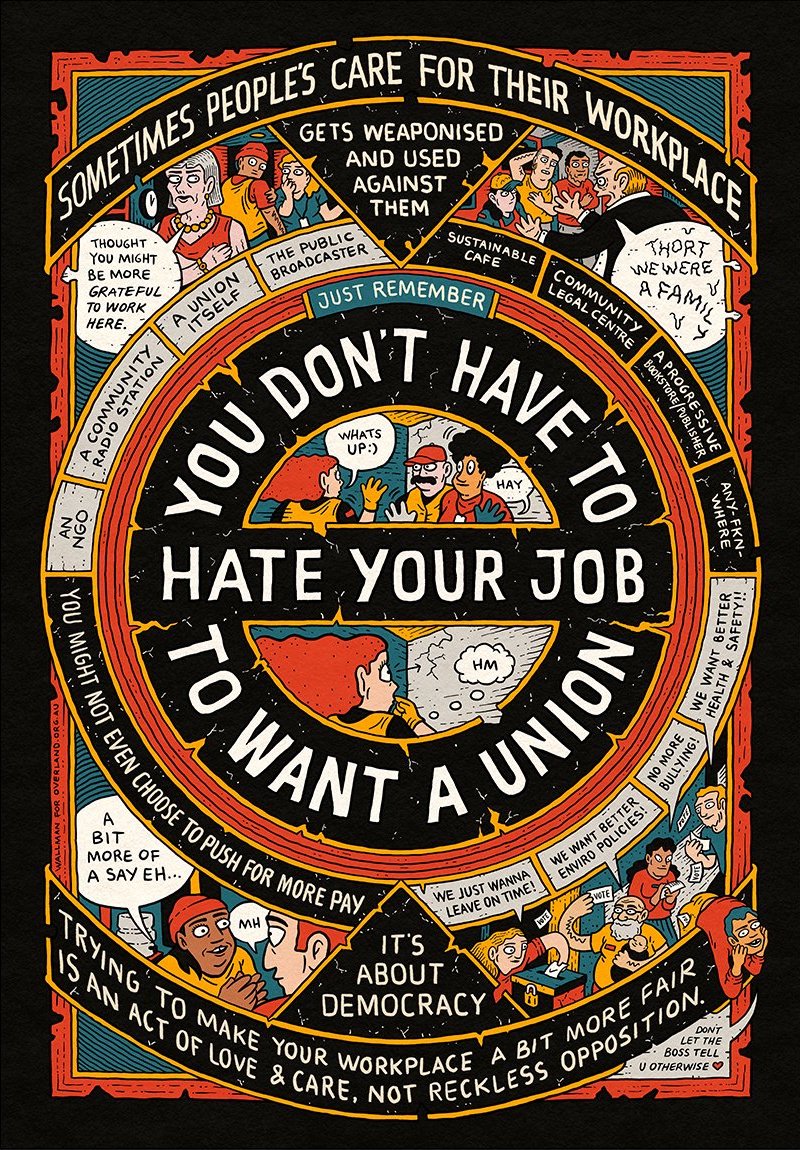
The agroecological or “good food” sector – alongside adjacent sectors including horticulture, agroforestry and more – is rife with a culture of overwork and burnout, both for employers and workers. It is considered normal for those who want careers in land work to do years of voluntary labour and unpaid or stipend-paid traineeships, to then be faced with poorly compensated and precarious work. There are widespread experiences of racism, sexism, classism, homophobia and transphobia in these sectors, alongside a normalisation of unpaid overtime, substandard health and safety, lack of formal contracts, labouring below minimum wage, and extremely low accommodation standards. With no wider system of accountability to challenge employers, workers need a trade union!
For land work to become more equitable, entry roles must be accessible, workers must be paid fairly, and business models that rely on extracting unpaid labour should be challenged. It is vital that the barely legal (and sometimes illegal) working conditions and informal contracts (or lack thereof) that are commonplace in these sectors are confronted. We have formed a trade union so that we can stand together against these abuses of our rights.
SALT supports the work of organisations that advocate for the rights of small-scale land-business owners, and join them in calling for food, land and racial justice. SALT’s unique contribution to the movement is to uplift workers’ voices and demand that those who do not own land or business are listened to. In order to transform the existing land and food system and provide radical, fair, and sustainable alternatives, there must be a focus on labour conditions and on challenging discriminatory and harmful behaviour.
We are organising together so that we can access more sustainable careers in the sectors we love.
SALT’s Story
In the decade leading up to the formation of SALT, the people who would become its first members worked across the alternative (organic, biodynamic, agroecological etc) food sector and beyond. Whilst brought to land work by a desire to create an environmentally and socially just land and food system, each worker came to question the ways in which the alternative food movement reproduces the forms of exploitation, precarity, inequality, extraction and oppression that are so widespread within conventional farming and food production. We needed a collective space to push for more radical, justice-centred and intersectional approaches that build power amongst workers across the system.
The Rootz into Food Growing (2021) and Jumping Fences (2023) reports described experiences of discrimination, oppressive working cultures, low / no pay, lack of access to land, and isolation faced by BPOC growers in the UK’s agroecology sector. These reports were both LION collaborations with other agroecology / racial justice organisations, which brought about a moment of reckoning across the sector and inspired this group of workers to mobilise and form a new trade union to challenge oppression and hold employers to account.
As we began to organise together, we learnt that the poor working conditions and normalised exploitation experienced by many are exacerbated by the precarity of most farming enterprises, high competition for roles, lack of union representation, the prevalence of unpaid traineeships and a weaponisation of “the movement” to deny workers their rights.
These conditions are not unique to the agroecological / “good food” sector, as they are inherent to neo-liberal racial capitalism and imperialist systems. SALT encourages workers from all land based trades to join and be part of shaping the union. In 2023, SALT affiliated with the Bakers Food and Allied Workers’ Union (BFAWU) to build power with workers across the food and land system: in food preparation, conventional agriculture, delivery, retail and hospitality.
 © Solidarity Across Land Trades 2025